
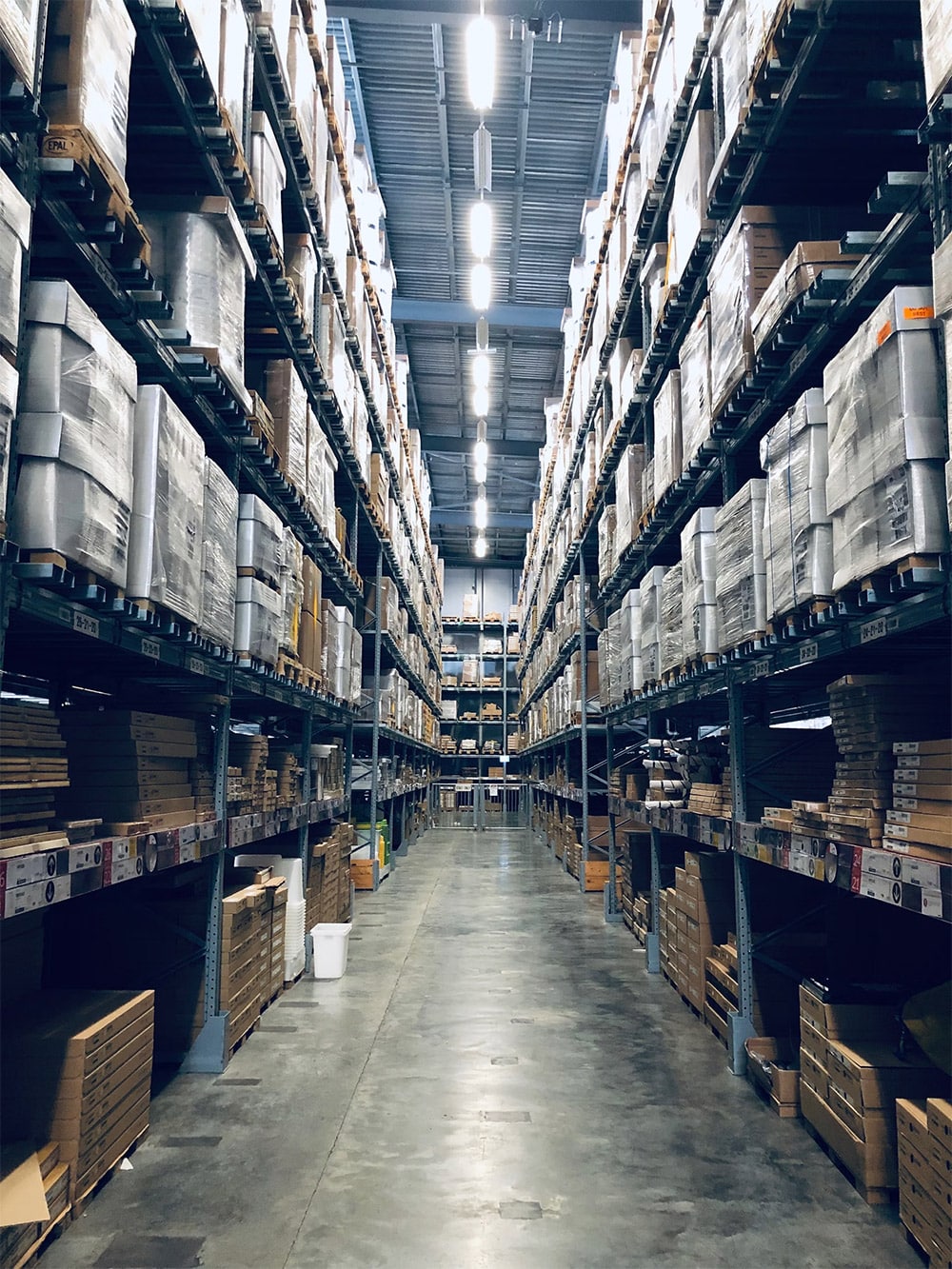
If you operate an e-commerce or retail store, then you realize that how retailers process returns through reverse logistics is a big part of the industry.
Retail returns are a continuous issue all year long. If you aren’t prepared to handle them, you may lose a substantial amount of your profits.
There are several reasons why a customer may decide to return an item. Regardless of the cause, the customer needs a simple way of getting rid of the undesired item.
There are two usual ways of returning an item: by sending it back in the mail or in-store. The reverse logistics method comes into play right at the point when the item is out of the customer’s hands.
What Is Reverse Logistics?
Reverse logistics is a sort of supply chain management that transports goods from customers back to the manufacturers or sellers. Once a customer gets an item, processes such as returns necessitate reverse logistics.
Reverse logistics begin at the end consumer, going backward through the supply chain to the distributor or from the distributor to the manufacturer. Reverse logistics could also include procedures where the end consumer is accountable for the final disposal of the product, including resale.
When Reverse Logistics is Used
Businesses use reverse logistics when products move from their endpoint back through the supply chain to the seller and possibly back to the suppliers. The objective is to recover value from the item and guarantee repeat customers.
Smart organizations use reverse logistics to develop customer loyalty and repeat business while reducing losses associated with returns. Traditionally, returns have been thought of as dreadful and a dip in revenue. They signified a letdown in meeting customer expectations.
However, with the rise of e-commerce and the fundamental role of customer experience in pushing sales and loyalty, this viewpoint is swiftly changing. Organizations are now realizing with the optimization of the reverse logistics process, returns can be altered from difficulties into prospects.
The Process of Reverse Logistics
When a customer wants to return a product, there are several levels involved. It begins with the customer commencing a return request. From there, the product may go through a courier service, come back to a regional return center, and then be checked for quality.
Based on its condition, the item could be:
- Refurbished
- Restocked
- Recycled
- Thrown away
If it’s equipment or electronics, it could be sent to the company for repairs. This return journey was managed effectively, reduced costs, and improved resource usage.
Reverse Logistics vs. Traditional Logistics
Traditional e-commerce logistics indicates the supply chain management method that transports an item to a customer. Once a customer places an order online, the logistics procedure picks, packs, and sends it to the shipping address.
An effective reverse logistics system manages moving products in the opposite direction. Customers want to be able to return their products easily with a minimum cost or free. It’s critical to have a process in place to efficiently handle returns, making sure it doesn’t discourage you from buying from you again.
Benefits of Well-Executed Reverse Logistics
Businesses offering products online must invest in the correct reverse logistics or returns platform if they want to have success. The benefits of a well-executed reverse logistics strategy include:
Enhanced customer satisfaction – Reverse logistics can enhance customer satisfaction by offering an easy, stress-free return process. By handling returns effectively, organizations can improve the total customer experience and develop customer loyalty.
Cost savings – By handling the return process efficiently, organizations may decrease costs connected with transportation, product disposition, and return management. Businesses that improve their reverse logistics system can save overall in logistics costs.
Better sustainability – Reverse logistics could help improve sustainability by diminishing the environmental effect of returned products and lessening waste. Additionally, companies can refurbish or recycle returned products, preserving resources and decreasing the need for new products.
Boosting the supply chain – By evaluating the reasons for returns, organizations can pinpoint areas for improvement in packaging, shipping, and product design, aiding in lessening the number of returns and enhancing the complete effectiveness of the supply chain.
Returns are a vital part of online businesses. They can greatly affect customer loyalty and satisfaction.
By having an effective and easy returns process, e-commerce organizations can:
- Establish trust with customers
- diminish the chance of complaints and negative reviews
- Increase the prospect of repeat customers
Moreover, efficient returns management can assist retailers in enhancing sustainability and decreasing logistics overheads. Due to the high volume of online business returns, managing returns successfully is critical for retaining customers and powering continuing revenue growth.
Reverse Logistics Process
When an item goes back to the warehouse, reverse logistics procedures occur something like this:
A Customer Start a Return
A customer wants to ship a product back to the retailer. With a return authorization, the customer prints a returns label and either drops off the item at a local store or pickup point. The parcel will end up back at the company’s warehouse.
The Item is Inspected
Once the item comes back, it goes to a different area of the warehouse storage for the business to determine what to do with the inventory. Returns go through a review procedure where marketable products are put back on the shelf. Damaged or faulty products are put to one side to be refurbished or recycled.
The Customer Receives a Refund
The business determines whether the order meets the returns and refund policy. Typical conditions include:
- Receiving the return within 14 days of the customer placing their order
- Proof of purchase, such as a receipt or a digital record
- Original packaging (including tags)
- The product is unused or unworn
If the guidelines are met, the business will refund the customer with a direct refund or store credit.
The Item is Resold, Recycled, or Refurbished
Contingent on the status of the item, the business has three possibilities:
Resell it – If the item is still in good condition and looks brand new, it could be resold. The business can list the item for resell on a second-hand marketplace or update its inventory count.
Refurbish – If the product isn’t in resalable condition but could be with a few alterations, the business can refurbish it and start over the item life cycle. For instance, if a customer returns their computer monitor because it cracked, you can fix it and resell it at a lower price to a second-hand market.
Recycle – If the item is at the end of its lifecycle or costs too much to repair, the business could recycle it. Businesses that use correct disposal decisions (not a landfill) could support many people who consider the environment most of the time when shopping.
Ways to Make Your Reverse Logistics Work Better
Streamlining the Returns Process
An easy returns process is vital for managing returns. For return authorization, provide exact instructions and pre-paid shipping labels. Once the return is beginning, offer updates on the status of the return. Providing free returns for online purchases could also enrich the customer experience, boosting customer loyalty.
Automating Returns Management
Automating returns management can aid you in processing returns more effectively and rapidly.
Returns management software can:
- Create shipping labels
- Track returns
- Issue refunds
By automating these duties, you can lessen the resources and time needed to process returns while increasing accuracy and decreasing the chance of errors.
Focusing on the Customer Experience in Returns
Returns could be an unsatisfying experience for customers. Therefore, it’s important to focus on making their experience stress-free throughout the process.
Customers who have a good return experience are more likely to buy from the business again. Be sure your returns process is simple to understand and do. Once the return starts, give the customer updates on the status.
Evaluating Returns to Reduce Costs
Data is a compelling tool for improving your reverse logistics process. By gathering and evaluating returns data, you can pinpoint patterns and trends that can help better your processes and shrink costs.
For instance, you might see that specific products are repeatedly being returned, which would urge you to examine quality control problems or modify your product descriptions to make sure customers clearly know what they’re buying.
Efficiently Managing Returned Items
When handling returns, it’s crucial to have an effective process for deciding what to do with the returned item. Preferably, you want to get returned products on the shelves as fast as possible.
This could mean examining returned items to make sure they’re still in decent condition or discovering ways to recycle or repurpose products that can’t be resold. Effectively managing returned items could decrease costs and boost your bottom line.
WarehousingIT Can Help
For more information on how WarehousingIT can help you manage your returns through reverse logistics, reach out to us online or give us a call.
