
Navigating Tariff and Trade Uncertainty with On-Demand Warehousing: A Strategic Approach
Executive Summary: The Challenge of Tariff Resilience
In today’s volatile global trade environment, fluctuating tariffs driven by erratic governmental policies create significant challenges for supply chains, often resulting in diminished profitability. Sudden increases in import costs due to new tariffs can disrupt trade routes and adversely affect domestic industries reliant on those imports. The complexities of warehousing and inventory management compound these issues, placing enterprises at risk of escalating operational costs and shipping delays—factors critical to maintaining competitiveness.
In this dynamic landscape, on-demand warehousing has become a strategic necessity for enterprises. It provides the operational flexibility needed to manage inventory effectively, enabling companies to adjust their cost structures and survive even during periods of extreme tariff volatility.
The Dynamic Landscape: How Trade and Tariff Policies Affect Warehouse Operations
Tariffs play a crucial role in international negotiations, impacting the replacement of imported goods, protection of domestic industries, and revenue generation. However, tariffs can be a double-edged sword for companies engaged in complex global supply chains—determining the fine line between profitability and market exclusion.
The Ripple Effect: How Tariff Fluctuations Reshape Warehousing Strategies
Firms must carefully consider their strategies based on varying tariff levels:
- Passing Costs: Increasing customer prices may lead to a loss of market share.
- Absorbing Costs: Internal absorption of costs can severely thin profit margins.
- Proactive Stock Management: To mitigate tariffs, businesses must shift inventory forward, requiring more flexible storage capacities.
- Diversifying Sourcing Strategies: This may necessitate a network of adaptable warehouses.
Traditional warehousing models, characterized by fixed leases, are ill-equipped to manage these rapid strategic shifts.
Limitations of Traditional Warehousing in a Volatile Trade Environment
- Rigidity: Long-term leases inhibit agile responses to changing tariffs.
- Contractual Constraints: Maintaining compliance with evolving trade laws can complicate inventory management.
- Inefficiencies: Fixed storage capacities can lead to unnecessary expenses for unused space.
- Geographical Restrictions: Fixed warehouse locations hinder strategic inventory repositioning in response to regional tariff variations.
These limitations underscore the urgent need for flexible, cost-effective storage solutions, which on-demand warehousing provides.
On-Demand Warehousing: A Transformative Approach to Inventory Management
On-demand warehousing offers a flexible rental model, enabling enterprises to secure storage space only as needed. Key advantages include:
- Dynamic Scalability: Storage capacity can be rapidly adjusted to market fluctuations.
- Strategic Location Flexibility: Businesses can choose optimal sites for stockpiling based on tariff changes.
- Capital Efficiency: Eliminating annual storage commitments frees up valuable capital.
This model can be likened to cloud storage for physical goods, where costs are incurred only for the space and services utilized.
Strategic Relevance of On-Demand Warehousing Amid Rising Tariffs
Proactive Inventory Stocking 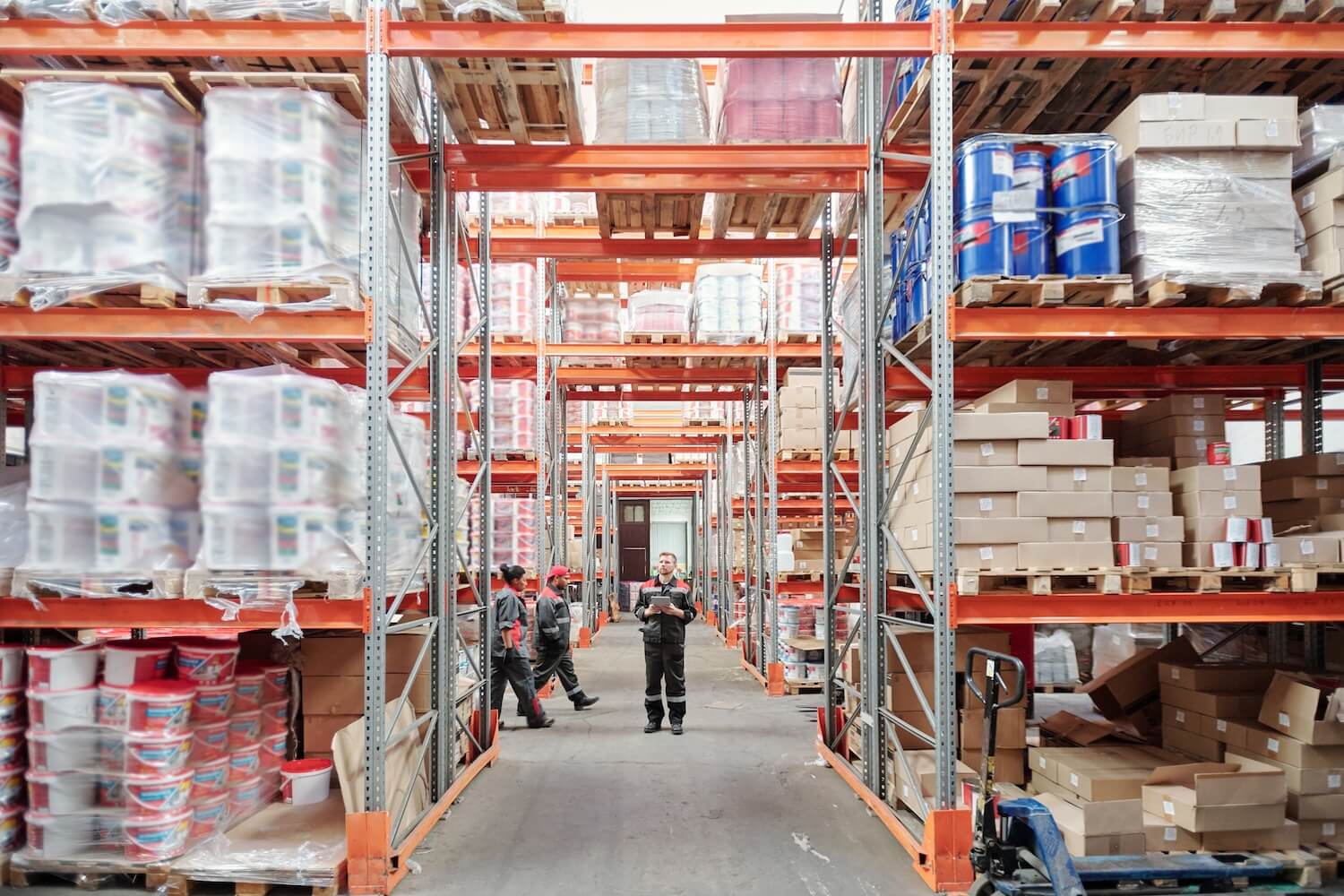
With the flexibility of short-term storage solutions, businesses can stockpile goods ahead of anticipated tariff hikes—helping to mitigate cost surges and avoid supply chain disruptions.
Geographic Optimization
On-demand warehousing enables companies to reposition inventory closer to lower-tariff entry points, such as redirecting shipments from high-duty ports to more favorable customs zones, reducing overall import expenses.
Flexible Payment Structures
The variable, pay-as-you-go pricing model of on-demand warehousing eliminates the financial strain of paying for unused space, allowing businesses to scale storage based on actual demand.
Enhanced Regulatory Agility
As trade regulations evolve, on-demand warehousing provides the flexibility to adjust quickly—without being locked into long-term lease commitments—empowering businesses to pivot in real time.
Key Considerations for Selecting an On-Demand Warehousing Partner
- Strategic Location Network: Choose warehouses situated in low-tariff areas to facilitate tariff avoidance.
- Real-Time Inventory Management: Opt for providers with advanced tracking systems.
- Transparent Pricing: Ensure predictable pricing structures to avoid unexpected costs.
- Compliance: Verify adherence to all relevant import/export regulations.
Assessing the Applicability of On-Demand Warehousing for Your Enterprise
- Are fluctuating U.S. import/export tariffs impacting your profitability?
- Is there a need to increase key inventory storage while minimizing duty exposure?
- Will solutions be tailored for specific customer segments within the enterprise?
- How will logistics barriers arising from trade rules be addressed?
Positive responses indicate that on-demand warehousing could be a viable strategic choice.
Roadmap for Integrating On-Demand Warehousing into Your Supply Chain
- Risk Evaluation: Identify tariffs affecting your supply chain operations.
- Needs Assessment: Determine the strategic importance of flexible storage solutions.
- Vendor Selection: Choose a reliable on-demand warehousing partner with a comprehensive network and advanced tracking capabilities.
- Integration Strategy: Implement dynamic inventory location strategies.
- Continuous Monitoring: Adjust storage strategies based on evolving trade relationships.
Conclusion: Embracing Agility in a Globalized Market
In an era of trade unpredictability, agility is paramount. On-demand warehousing empowers businesses to reduce tariff-related costs and mitigate their adverse effects on profitability. It also facilitates the restructuring of supply chains with minimal investment, enabling companies to explore new global routes.
As Warren Buffett emphasized in Berkshire Hathaway’s 1988 annual report, effective management must be adaptable.
