

The strategic shift towards nearshoring has become a pivotal move for businesses seeking to mitigate the risks associated with volatile global supply chains. Rising tariffs, geopolitical uncertainties, and the imperative for faster, more responsive logistics have propelled companies to relocate production and distribution closer to their core markets.
While nearshoring offers numerous benefits, it also introduces a complex web of regulatory challenges that demand meticulous attention. Navigating diverse trade laws, customs procedures, and warehousing standards across different countries is paramount to avoiding costly disruptions and ensuring operational efficiency.
This blog post delves into the critical regulatory considerations inherent in nearshoring and explores how strategic warehousing solutions can empower businesses to maintain compliance and thrive.
Regulatory Considerations for Nearshoring
1. Compliance with Local and International Trade Laws: Navigating a Patchwork of Regulations
- Beyond understanding tariff structures, businesses must grasp the nuances of local trade agreements, import quotas, and product-specific regulations.
- Variations in labeling requirements, product certifications, and intellectual property laws can create significant compliance hurdles.
- Understanding the role of regional trade blocs (e.g., USMCA, Mercosur) and their impact on trade flows is essential.
- Staying up to date with changing regulations is a constant process.
- How local political situations can affect trade.
2. Customs Documentation and Reporting Requirements: Ensuring Accuracy and Efficiency
- Detailed scrutiny of customs documentation, including certificates of origin, commercial invoices, and packing lists, is crucial to prevent delays and penalties.
- Automated customs clearance systems and electronic data interchange (EDI) can streamline the reporting process and minimize errors.
- Understanding the intricacies of Harmonized System (HS) codes and their impact on tariff classifications is vital.
- The importance of keeping accurate records for audits.
- The use of a customs broker.
3. Safety and Environmental Regulations: Embracing Sustainable and Ethical Practices
- Compliance with local labor laws, including working hours, minimum wage requirements, and employee safety standards, is non-negotiable.
- Adherence to environmental regulations related to waste disposal, emissions control, and hazardous materials handling is essential for responsible operations.
- Implementing sustainable warehousing practices, such as energy-efficient lighting, recycling programs, and eco-friendly packaging, can enhance brand reputation and reduce environmental impact.
- Fire safety and building codes.
- Regulations regarding the handling of food, and other perishable goods.
4. Data Privacy and Cybersecurity
- When moving data between countries, data privacy laws like GDPR and local equivalents must be adhered to.
- Cybersecurity is paramount to protect sensitive trade data from breaches.
- Understanding local data storage laws.
How Warehousing Strategies Can Ensure Compliance

1. Partnering with Warehousing Providers Experienced in Regulatory Compliance: Leveraging Expertise and Technology
- Experienced providers offer comprehensive customs brokerage services, including tariff classification, duty calculation, and customs clearance procedures.
- Advanced compliance tracking systems provide real-time visibility into regulatory requirements and potential risks.
- Providers offer specialized expertise in industry-specific regulations, such as those related to pharmaceuticals, food and beverage, or electronics.
- The importance of due diligence when choosing a provider.
2. Utilizing Bonded Warehouses to Defer Duty Payments: Optimizing Cash Flow and Flexibility
- Bonded warehouses allow businesses to store imported goods for extended periods without incurring immediate duty payments, providing greater financial flexibility.
- This strategy is particularly beneficial for companies that re-export goods or manage seasonal inventory fluctuations.
- Bonded warehouses can also serve as distribution hubs for goods destined for multiple markets, streamlining logistics operations.
- The rules and limitations of bonded warehouses.
3. Implementing Real-Time Tracking and Reporting Systems: Enhancing Visibility and Accountability
- Warehouse management systems (WMS) provide comprehensive inventory tracking, enabling businesses to monitor stock levels, track product movements, and generate detailed reports.
- Automated customs documentation systems reduce the risk of errors and ensure timely submission of required paperwork.
- Blockchain technology can enhance supply chain transparency and traceability, facilitating regulatory compliance and building trust with stakeholders.
- The use of RFID technology.
- The use of API connections to share data.
Best Practices for a Smooth Transition to Nearshoring
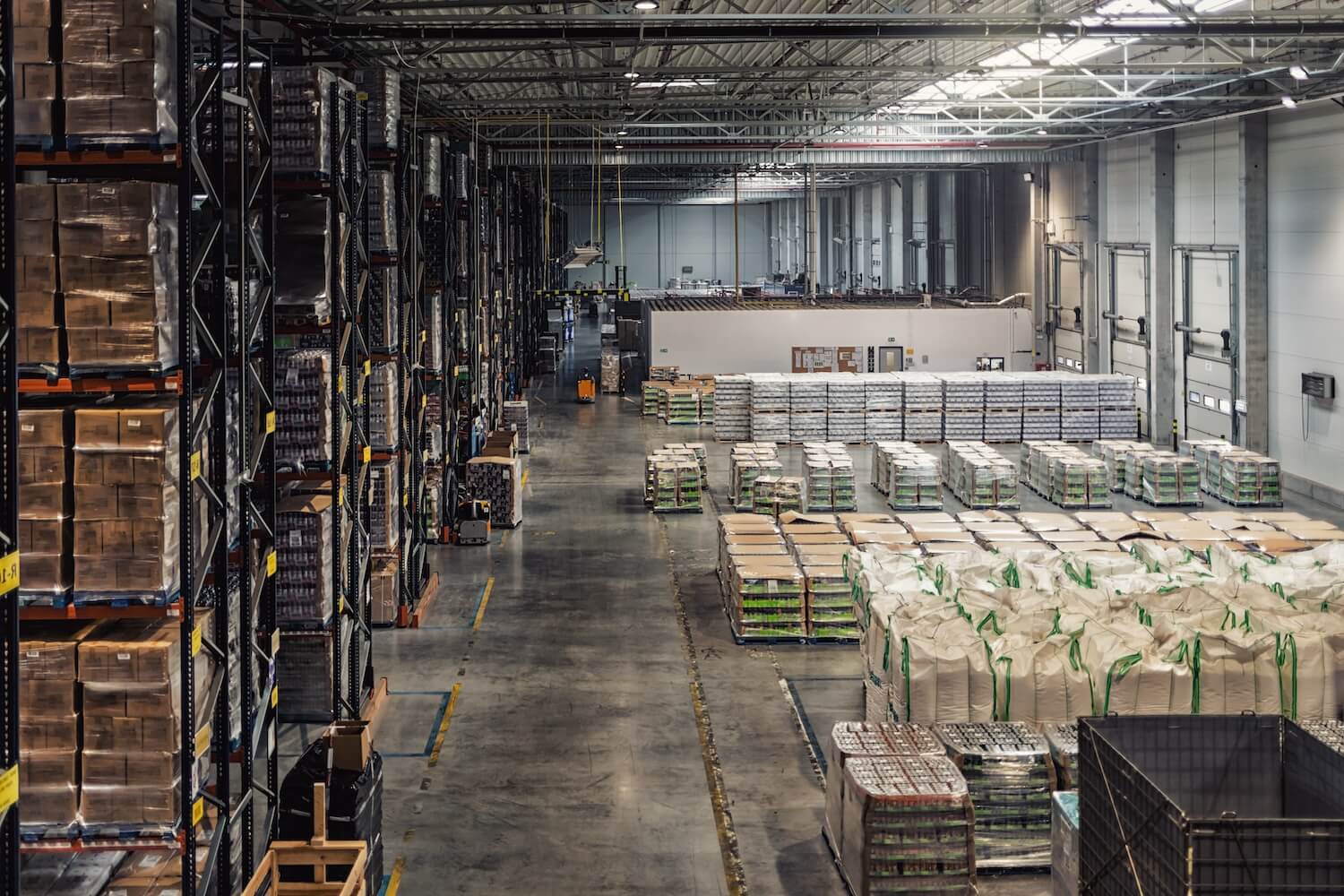
1. Choosing the Right Warehouse Locations: Strategic Placement for Efficiency and Compliance
- Conduct thorough due diligence to evaluate the regulatory environment, infrastructure, and labor market in potential warehouse locations.
- Consider the proximity of warehouse locations to ports, airports, and major transportation routes to optimize logistics efficiency.
- Explore opportunities to establish warehouse facilities in free trade zones (FTZs) or special economic zones (SEZs) to benefit from preferential trade agreements and reduced regulatory burdens.
- Analyze the local transportation infrastructure.
2. Integrating Supply Chain Technology for Visibility and Compliance: Embracing Digital Transformation
- Implement AI-powered inventory management systems to optimize stock levels, forecast demand, and minimize waste.
- Leverage blockchain technology creates secure and transparent supply chain records, facilitating regulatory audits and enhancing product traceability.
- Utilize automated reporting tools to generate real-time compliance reports and identify potential risks.
- The importance of training staff in new technologies.
3. Working with Third-Party Logistics (3PL) Providers: Leveraging Expertise and Resources
- 3PL providers offer specialized expertise in customs brokerage, regulatory compliance, and international trade, ensuring seamless operations.
- 3PL providers can manage complex logistics operations, including warehousing, transportation, and distribution, allowing businesses to focus on their core competencies.
- 3PL providers can provide access to a global network of partners and resources, enabling businesses to expand their reach and optimize their supply chains.
- The importance of clearly defined SLAs.
Conclusion
Nearshoring presents a compelling opportunity for businesses to enhance their supply chain resilience and responsiveness. However, navigating the complexities of regulatory compliance is essential for a successful transition. By adopting strategic warehousing solutions, leveraging technology, and partnering with experienced logistics providers, businesses can mitigate risks, optimize operations, and achieve sustainable growth.
- Offer a compliance audit service.
- Provide a checklist on nearshoring compliance.
- Create a white paper on the regulations of specific nearshoring locations.
- Offer webinars on regulatory changes.
- Create a client portal to share compliance documents.
At WarehousingIT, we are committed to providing comprehensive warehousing solutions that empower businesses to navigate the regulatory landscape of nearshoring with confidence.
Our expertise in customs compliance, bonded warehousing, and advanced logistics technology ensures that your nearshoring operations are efficient, compliant, and cost-effective.
Contact us today to learn how we can help you achieve your nearshoring goals.
