
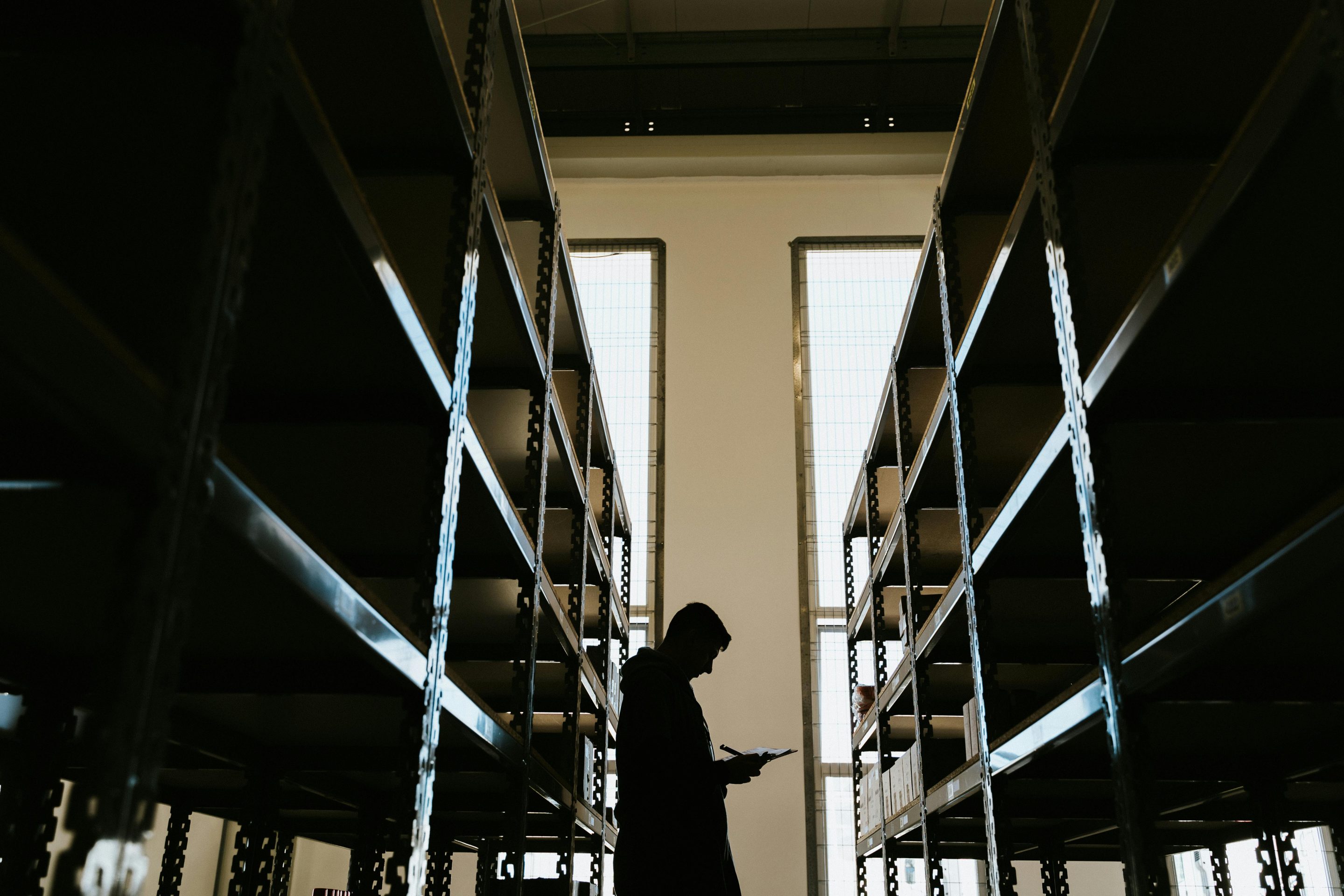
With a wide array of storage options available, climate-controlled warehousing stands out as a specialized solution designed to meet the unique needs of various industries. This article delves into what climate-controlled warehousing entails, why it matters, and when your business might need it.
Understanding Climate-Controlled Warehousing
Climate-controlled warehousing refers to storage facilities designed to maintain specific temperature and humidity levels. These environments are equipped with sophisticated heating, ventilation, and air conditioning (HVAC) systems to ensure that products are stored under optimal conditions.
Key Features of Climate-Controlled Warehousing:
- Temperature Regulation: The most crucial aspect of climate-controlled storage is the ability to maintain consistent temperatures. Different products have different optimal temperature ranges, which are crucial for preserving their integrity and quality.
- Humidity Control: High humidity levels can lead to mold, mildew, and corrosion, particularly in products like electronics, pharmaceuticals, and perishable goods. Climate-controlled warehouses manage humidity levels to prevent damage.
- Air Filtration: Advanced filtration systems in climate-controlled warehouses help to minimize dust and contaminants that can adversely affect stored products.
- 24/7 Monitoring: Most climate-controlled facilities have real-time monitoring systems that track temperature and humidity levels, providing alerts if conditions deviate from set parameters.
- Backup Power Systems: To prevent disruptions, many climate-controlled warehouses are equipped with backup power generators to maintain optimal conditions in case of power outages.
Why Climate-Controlled Warehousing Matters
1. Product Integrity and Quality
For many industries, maintaining the integrity of products is non-negotiable. Pharmaceuticals, for instance, require strict temperature controls to ensure efficacy and safety. A lapse in temperature can compromise the effectiveness of medications, posing significant risks to health and safety. Similarly, electronics can suffer damage or reduced lifespan due to temperature fluctuations or humidity.
2. Regulatory Compliance
Certain industries are subject to strict regulations regarding storage conditions. For example, the pharmaceutical industry is governed by regulations set forth by the Food and Drug Administration (FDA), which require specific storage conditions to ensure product safety. Failure to comply with these regulations can result in hefty fines, legal repercussions, and reputational damage.
3. Minimizing Waste and Loss
Climate-controlled storage can significantly reduce waste, especially for perishable goods. Fruits, vegetables, and other food items have specific temperature and humidity requirements that, when unmet, can lead to spoilage. By utilizing climate-controlled warehousing, businesses can minimize losses associated with damaged or expired products.
4. Improved Supply Chain Efficiency
In an increasingly competitive marketplace, efficiency is key. Climate-controlled warehousing can enhance supply chain efficiency by ensuring that products are readily available in optimal condition for distribution. This not only improves customer satisfaction but also enables businesses to respond swiftly to market demands.
When You Need Climate-Controlled Warehousing
1. Industry-Specific Needs
Certain industries inherently require climate-controlled environments:
- Pharmaceuticals: As mentioned, pharmaceuticals often need strict temperature and humidity controls to maintain their efficacy.
- Electronics: Sensitive electronics can be adversely affected by temperature and humidity fluctuations, making climate-controlled storage essential.
- Food and Beverage: Many food items, especially perishables, require specific conditions to prevent spoilage.
- Artwork and Antiques: Items like paintings and collectibles can be damaged by temperature swings and humidity changes, necessitating climate control for preservation.
2. Seasonal Fluctuations
If your business experiences seasonal fluctuations in inventory, climate-controlled warehousing can be a smart solution. For instance, companies that sell seasonal products, such as holiday decorations or summer apparel, may benefit from the ability to store these items in a climate-controlled environment until they are needed.
3. Long-Term Storage
For businesses that need to store items for extended periods, climate-controlled warehousing is an excellent option. Over time, products can degrade if not stored under proper conditions. Utilizing climate-controlled storage ensures that your products remain in top condition, regardless of how long they are stored.
4. Inventory Management and Fulfillment
If your business relies on a fulfillment model where timely delivery is critical, having climate-controlled warehousing can streamline your logistics. By ensuring that products are kept in optimal conditions, you can enhance your inventory management practices and reduce the risk of delays or damage during shipping.
Choosing the Right Climate-Controlled Warehouse
When selecting a climate-controlled warehousing solution, consider the following factors:
1. Location
The warehouse’s location can significantly impact logistics and transportation costs. Choose a facility that is strategically located near your supply chain routes to minimize shipping times and costs.
2. Capacity and Flexibility
Ensure the facility can accommodate your storage needs now and in the future. Additionally, flexibility is key—look for a provider that can scale with your business.
3. Technology and Monitoring Systems
Advanced monitoring systems are vital for maintaining optimal storage conditions. Ensure the facility is equipped with real-time tracking and alert systems for any deviations from set parameters.
4. Experience and Reputation
Select a warehousing provider with a proven track record in climate-controlled storage. Look for testimonials or case studies that demonstrate their expertise in handling your specific industry needs.
5. Additional Services
Consider whether the warehouse provider offers additional services that can benefit your business, such as inventory management, logistics support, and fulfillment services. This can simplify your operations and create a more streamlined supply chain.
Conclusion
Climate-controlled warehousing plays a crucial role in ensuring the integrity, safety, and quality of various products, particularly in industries where temperature and humidity fluctuations can lead to significant losses. By understanding the importance of climate-controlled warehouse storage and recognizing when your business may need it, you can make informed decisions that protect your assets and enhance your operational efficiency.
At Warehousing IT, we offer a network of climate-controlled storage spaces across the U.S. designed to meet the unique needs of industries such as pharmaceuticals and electronics. With our comprehensive fulfillment, inventory management, logistics, and shipping support, you can trust us to keep your products safe and secure. Contact us today to learn more about how we can help your business!
