

The growing need to improve supply chain resilience and responsiveness has led to a significant increase in nearshoring initiatives. By moving manufacturing and distribution operations closer to domestic markets, companies aim to reduce the risks associated with long global supply chains. However, this shift brings new logistical challenges that require a change in warehousing strategies.
While nearshoring offers advantages such as shorter transit times, reduced transportation costs, and greater supply chain agility, it also requires a flexible and adaptable warehousing approach to meet changing demand and dynamic inventory needs. Traditional warehousing models, which are often tied to rigid long-term leases and inflexible contracts, are usually insufficient for the evolving requirements of nearshoring businesses.
As a result, many companies are turning to on-demand warehousing, a scalable, cost-effective, and agile solution that allows for real-time adjustments to storage capacity based on market changes. This discussion will explore the key factors driving the adoption of on-demand warehousing among nearshoring businesses and highlight its crucial role in enhancing supply chain efficiency.
Why Traditional Warehousing Models Present Challenges for Nearshoring Businesses
1. Constraints Imposed by Extended Lease Commitments
- Traditional warehousing models typically necessitate multi-year lease agreements, imposing substantial fixed costs that may not align with the phased growth trajectories of nearshoring operations.
- This inflexibility can result in significant financial burdens, particularly during periods of fluctuating demand or when scaling operations incrementally.
- The capital tied up in long-term leases could be better used on other aspects of the business.
2. Limitations in Scalability to Accommodate Demand Fluctuations
- Nearshoring businesses often experience pronounced seasonal demand variations and may require surge capacity during peak periods.
- Traditional warehousing facilities lack the inherent flexibility to rapidly scale storage capacity, leading to potential underutilization during lean periods and capacity constraints during peak demand.
- This can lead to lost sales and poor customer satisfaction.
3. Suboptimal Location Strategies and Their Impact on Logistical Efficiency
- The selection of strategically advantageous warehouse locations is paramount for optimizing last-mile delivery costs, minimizing fulfillment times, and mitigating supply chain bottlenecks.
- Traditional warehousing models often present limited location options, potentially resulting in suboptimal distribution networks and increased transportation expenses.
- Proximity to key manufacturing and distribution hubs is essential for streamlining nearshoring operations.
Key Advantages of On-Demand Warehousing for Nearshoring Enterprises
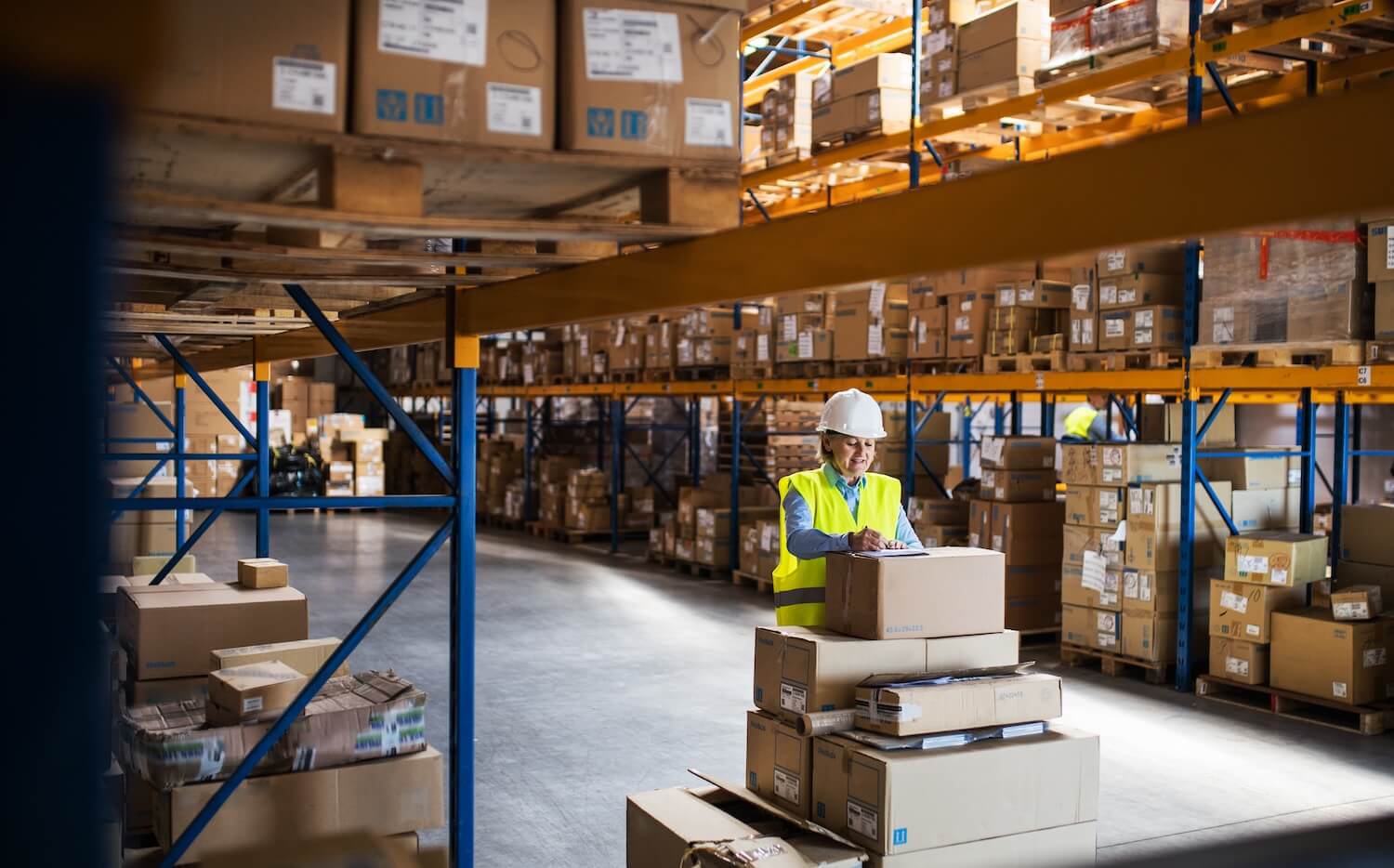
1. Variable Cost Structures and Enhanced Financial Flexibility:
- On-demand warehousing enables businesses to adopt a pay-as-you-go model, aligning storage expenses with actual utilization.
- This variable cost structure provides enhanced financial flexibility, particularly for businesses adapting to the initial stages of nearshoring.
- Improved cash flow management and reduced overhead costs are key benefits.
2. Scalability to Accommodate Dynamic Business Growth
- On-demand warehousing facilitates seamless scalability, allowing businesses to dynamically adjust storage capacity in response to fluctuating demand patterns.
- This adaptability ensures operational continuity and responsiveness to market shifts, mitigating the risks associated with capacity constraints or underutilization.
- The ability to rapidly expand or contract storage space is crucial.
3. Strategic Location Optimization for Enhanced Logistical Efficiency
- On-demand warehousing providers offer access to a network of strategically located facilities, enabling businesses to establish distribution points in proximity to key manufacturing sites and customer markets.
- This proximity minimizes transit times, reduces transportation costs, and enhances last-mile delivery efficiency.
- Optimized distribution networks are essential for nearshoring success.
4. Integration of Advanced Technology and Supply Chain Visibility
- Leading on-demand warehousing providers offer access to sophisticated warehouse management systems (WMS), real-time inventory tracking, and AI-driven logistics solutions.
- These technological capabilities enhance inventory visibility, optimize order fulfillment, and enable data-driven decision-making.
- Real-time data access and automated reporting are essential.
Criteria for Selecting a Suitable On-Demand Warehousing Partner
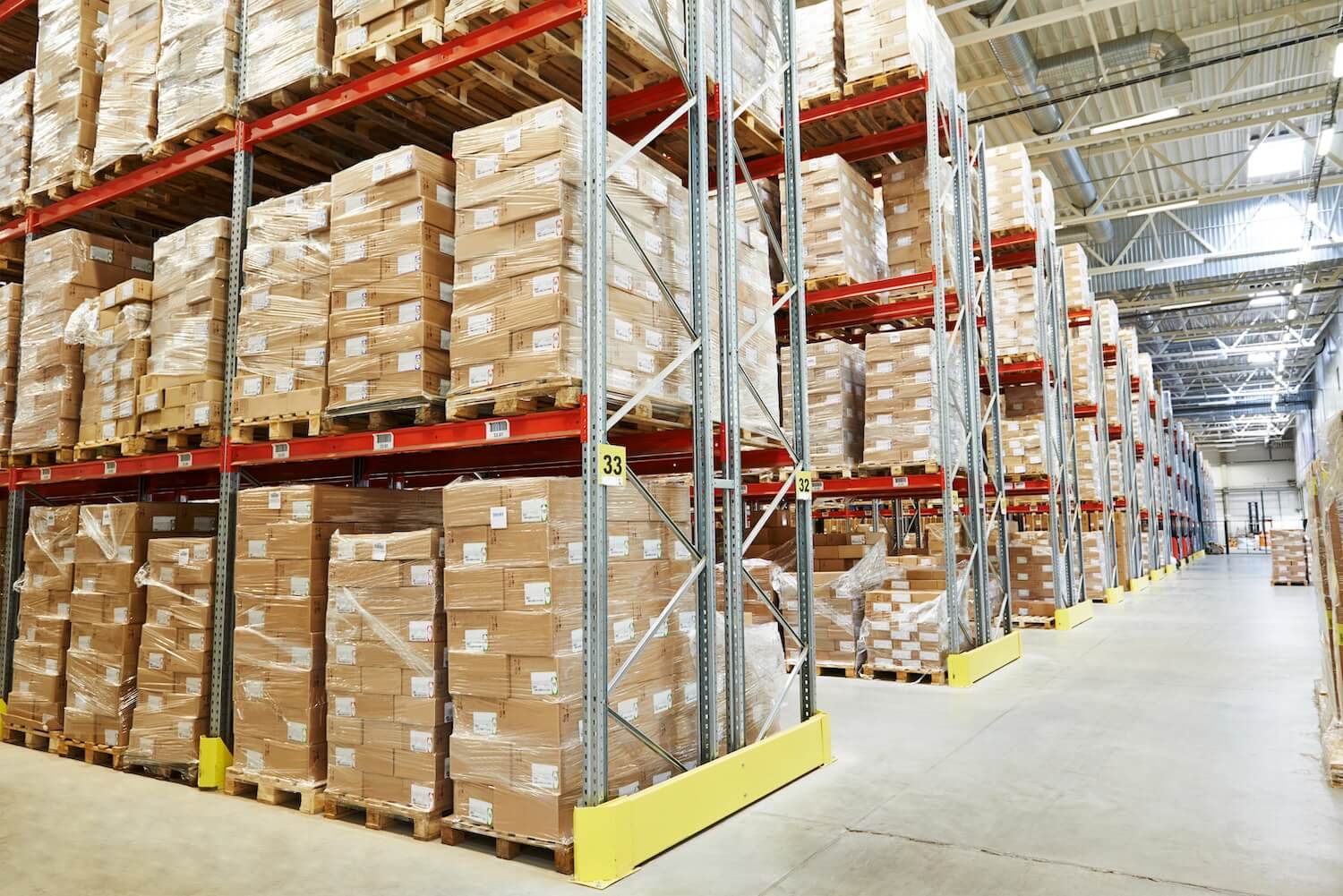
1. Demonstrated Scalability and Contractual Flexibility
- Prospective partners should exhibit a proven capacity to accommodate rapid scalability and offer flexible contract terms that align with the dynamic needs of nearshoring businesses.
2. Strategic Network of Warehouse Locations:
- Prioritize providers with a network of facilities strategically positioned near key manufacturing hubs, distribution centers, and customer markets.
3. Technological Proficiency and System Integration:
- Evaluate providers based on their technological capabilities, including inventory tracking systems, automated reporting tools, and seamless integration with existing logistics platforms.
4. Compliance and Regulatory Adherence:
- Ensure that prospective partners adhere to all relevant safety, labor, and customs regulations, mitigating compliance risks and ensuring operational continuity.
Conclusion
The transition to nearshoring offers businesses a strategic opportunity to improve their supply chain resilience and responsiveness. However, choosing the right warehousing strategy is crucial to fully realize these benefits. On-demand warehousing provides flexibility, scalability, and cost efficiency needed to meet the dynamic demands of nearshoring operations.
At WarehousingIT, we specialize in delivering tailored on-demand warehousing solutions for nearshoring businesses. Our expertise in inventory management, logistics optimization, and technology integration allows us to create solutions that enhance operational efficiency and promote sustainable growth.
We invite you to contact us today to discover how our on-demand warehousing solutions can optimize your nearshoring operations and give you a competitive edge in today’s market.
